


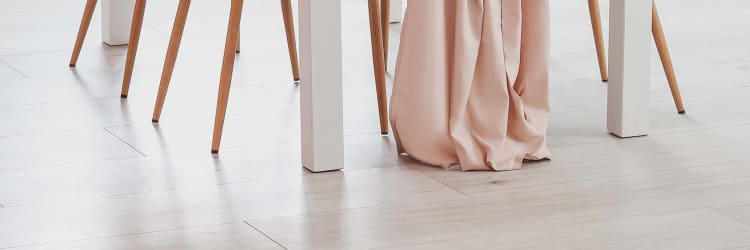
Choosing the right flooring for moisture-prone areas requires balancing aesthetic preferences with strict performance capabilities. Spills, pet accidents, tracked-in mud, and high ambient humidity can severely compromise traditional flooring surfaces if they lack adequate water protection. Modern waterproof flooring options allow homeowners to maintain consistent design harmony across kitchens, basements, bathrooms, and entryways without risking structural damage.
Navigating the market's available materials—ranging from luxury vinyl to non-porous ceramic and porcelain—requires understanding how each product responds to moisture, foot traffic, and daily wear.
Decoding Waterproof Flooring Technologies
Not all water-resistant materials offer complete protection against liquid penetration. Understanding the distinction between water-resistant and fully waterproof construction helps prevent unexpected floor failure.
Luxury Vinyl Plank (LVP) and Tile (LVT)
Luxury vinyl remains one of the most versatile choices for complete waterproof protection. Constructed with a dense rigid core—such as Stone Polymer Composite (SPC) or Wood Polymer Composite (WPC)—luxury vinyl prevents liquid from penetrating its internal layers. Because the material does not absorb moisture, it resists swelling, buckling, and warping, even during direct water exposure or elevated humidity.
Beyond moisture barrier performance, luxury vinyl features a clear wear layer that shields the decorative image layer from scuffs, scratches, and stains. High-definition printing techniques accurately replicate the texture, graining, and color variations of natural hardwood and stone, giving homeowners a durable, low-maintenance surface that installs quickly over existing subfloors.
Porcelain and Ceramic Tile
Tile has long been recognized as a standard for wet environments. Porcelain tile, produced from dense clay fired at extreme temperatures, features an exceptionally low water absorption rate. This makes it an ideal option for shower enclosures, mudrooms, and laundry rooms. When combined with modern, stain-resistant grouts, tile creates an impervious surface that handles standing water and heavy foot traffic with ease.
Key Considerations for Material Selection
When selecting a waterproof flooring surface, evaluate the specific environmental demands of each room alongside maintenance expectations:
Subfloor Condition and Moisture Testing: Concrete subfloors in basements or ground-level installations often transmit vapor upward. Installing a dedicated moisture barrier beneath your floor protects the locking mechanisms and underlayment.
Traffic and Wear Layer Thickness: For active households with pets or heavy foot traffic, choosing a luxury vinyl product with a thicker wear layer ensures prolonged resistance to abrasive grit and claws.
Underfoot Comfort and Insulation: Unlike ceramic tile, which feels cool to the touch, rigid core vinyl with attached acoustic underlayments offers thermal resistance and impact absorption, making it more comfortable for standing during long periods.
Expert Guidance for Your Home Renovation
Selecting appropriate flooring involves evaluating physical samples, matching underlayments, and verifying manufacturer warranties. At Barefoot Flooring, our team takes a hands-on approach to every residential project, ensuring that material performance aligns directly with your home's layout and structural requirements. Learn more about our company values and dedication to quality service on our About Us page.
Upgrade Your Home with Durable Waterproof Surfaces
Ready to explore waterproof flooring options that combine style with long-term protection? Visiting a showroom allows you to compare material textures, plank formats, and finish options under realistic lighting conditions.
Find store hours, contact details, and driving directions by visiting our Locations page, and stop by today to consult with our experienced flooring specialists.


